
Classic French Butter Cake

A tender, buttery 9-inch cake with a fine crumb and delicate crust — a timeless French-style butter cake that's perfect with tea or a simple dusting of powdered sugar.
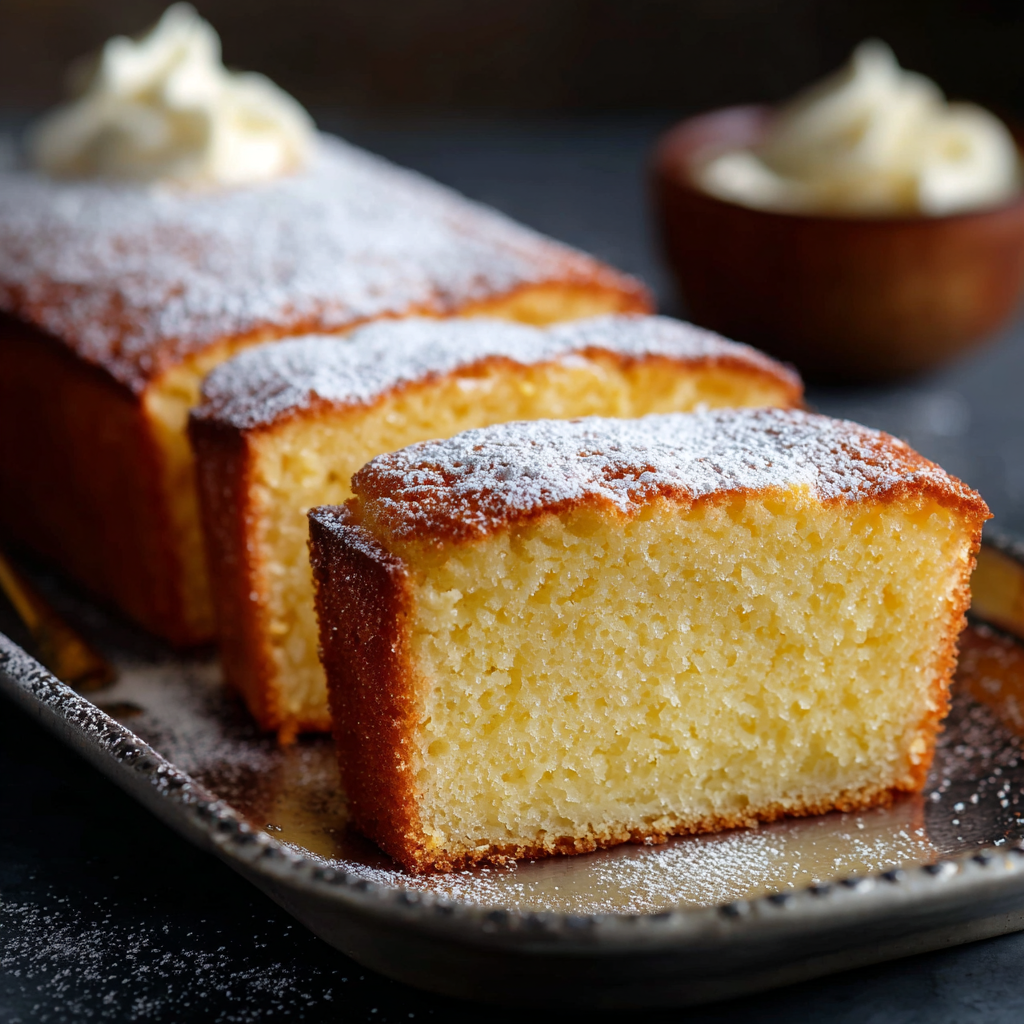
This Classic French Butter Cake has been a quiet staple in my kitchen for years, the kind of recipe I turn to when I want something that feels both elegant and utterly comfortable. I first came across this formula on a damp afternoon while leafing through an old bakery pamphlet; the simplicity of butter, sugar, eggs and flour struck me as almost defiant in its restraint. It produced a tender crumb and a golden crust that filled the house with a warm, familiar aroma. Over time I tuned small details — the exact creaming time, the choice of butter, the tiny trick of resting the batter — until it reliably produced the soft texture I love. When friends visit, they always ask if I made cake, and when the answer is yes, everyone immediately finds a seat.
What makes this version special is the way each ingredient is handled deliberately: high-quality unsalted butter beaten until pale, eggs added slowly to keep the emulsion steady, and just enough milk to loosen the batter without sacrificing structure. The result is a slice that’s buttery without being greasy, with a fine, even crumb and a delicate, slightly crisp top. It’s a perfect cake for afternoon tea, a simple dessert after a family dinner, or a treat to bring to a neighbor. I hope this recipe becomes as dependable in your kitchen as it is in mine.
Why You'll Love This Recipe
- This cake is effortless to make with pantry-friendly ingredients and a single 9-inch pan; it takes about 20 minutes of active work and 40–50 minutes in the oven.
- The method focuses on technique rather than complexity: proper creaming and gentle folding give a fine, tender crumb without special equipment.
- It’s extremely adaptable — use whole milk for a lighter texture or heavy cream for a richer bite, and swap a little flour for pastry flour for an even softer crumb.
- Makes a beautiful, understated dessert that needs nothing more than powdered sugar, fresh berries, or a dollop of crème fraîche to shine.
- Great for make-ahead baking: you can bake it a day ahead and keep it at room temperature, or freeze slices for longer storage.
In my house this cake quickly became the go-to when I wanted something that felt homemade but refined. My neighbor commented that it reminded her of the small pâtisserie cakes from her childhood — that’s the kind of warm, nostalgic reaction that keeps me baking it again and again.
Ingredients
- Unsalted butter (1 cup / 2 sticks): Use a high-quality brand like Kerrygold or Plugrá for a deep, creamy flavor. Softened to room temperature, the butter should give a slight impression when pressed but not be greasy; this ensures it creams to pale and airy.
- Granulated sugar (1 1/2 cups): Standard white sugar creates a delicate crust and tender interior. For a subtle molasses note, replace up to 1/4 cup with light brown sugar, but keep most as white sugar to maintain the cake’s classic texture.
- Large eggs (4), room temperature: Eggs at room temperature emulsify better with butter, improving volume and stability. Take eggs out 30–60 minutes before baking for best results.
- Pure vanilla extract (2 teaspoons): Use pure extract for clean aromatic lift. If you have a vanilla bean, scrape 1/2 bean into the batter for a floral, complex aroma.
- All-purpose flour (2 cups): Spoon and level when measuring to avoid packing. For an even more delicate crumb, replace 1/4 cup with pastry flour.
- Baking powder (1 teaspoon) and salt (1/2 teaspoon): Fresh baking powder ensures a reliable rise; the salt balances sweetness and brightens the butter flavor.
- Whole milk or heavy cream (1/2 cup): Adds moisture and tenderness. Whole milk keeps the cake light, while heavy cream will make it richer and more satiny.
Instructions
Prep the oven and pan: Preheat the oven to 350°F (175°C). Grease a 9-inch cake pan and line the bottom with a circle of parchment paper for assured release. Position the rack in the center so the cake browns evenly; if your oven runs hot, drop the temperature by 15°F after the first 20 minutes. Cream butter and sugar: In a large bowl or stand mixer fitted with the paddle attachment, beat the softened butter and sugar on medium speed for 3–5 minutes until the mixture becomes pale and slightly fluffy. Proper creaming traps tiny air pockets that help the cake rise — you’ll notice the mixture lighten in color and texture. Add the eggs: With the mixer on low, add the eggs one at a time, beating about 20–30 seconds after each addition to keep the emulsion stable. If the batter appears to break or look curdled, keep beating; it should rebind as the eggs incorporate. Flavor the batter: Stir in the vanilla extract (or vanilla bean seeds), scraping down the bowl to ensure even distribution of flavor. Small flecks of vanilla bean in the crumb are a lovely visual and taste detail. Combine dry ingredients: In a separate bowl whisk together the flour, baking powder, and salt. Sifting is optional but helps eliminate lumps and slightly aerates the flour for a lighter texture. Add dry to wet: With the mixer on low, add the dry mixture in two additions and mix just until incorporated. Overmixing will develop gluten and tighten the crumb — stop as soon as you no longer see streaks of flour. Finish with milk: Pour in the milk or cream and fold gently until smooth. The batter should be pourable but thick; do not overbeat. If using a stand mixer, finish folding with a spatula to avoid overworking. Bake: Transfer batter to the prepared pan, smooth the top with an offset spatula, and bake for 40–50 minutes until the top is golden and a toothpick inserted into the center comes out clean or with a few moist crumbs. Rotate halfway if your oven has hotspots. Cool and serve: Let the cake cool 10–15 minutes in the pan, then invert onto a wire rack and remove parchment. Cool completely before slicing for clean cuts. Dust with powdered sugar or serve plain to appreciate the buttery flavor.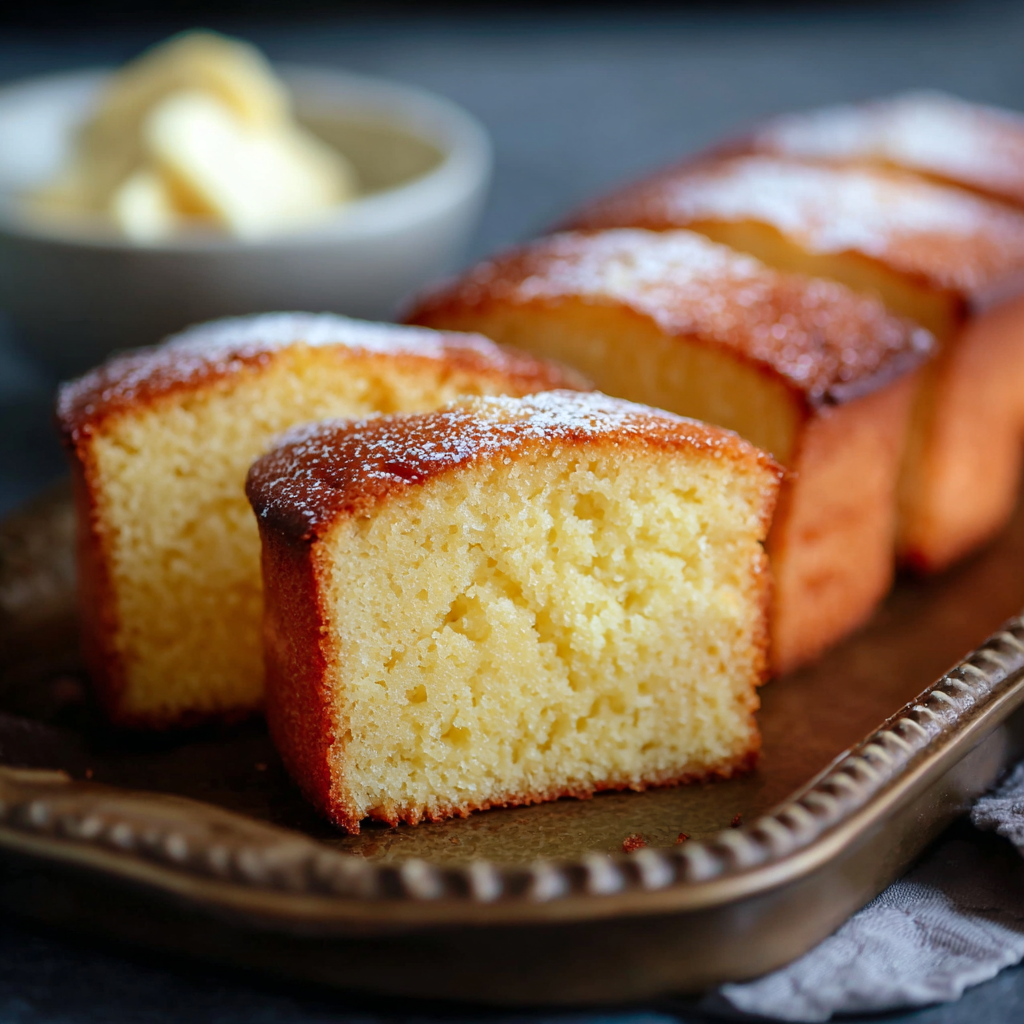
You Must Know
- This cake freezes well for up to 3 months when tightly wrapped; thaw at room temperature and warm gently for fresh taste.
- Store at room temperature for 2 days in an airtight container; refrigerate up to 5 days but bring to room temperature before serving so the butter flavor shines.
- It’s relatively high in fat and calories per slice due to butter and eggs, but the fine crumb means small slices are satisfying.
- Use fresh baking powder for consistent rise and always measure flour by spooning into the cup and leveling to avoid a dense texture.
My favorite part of making this cake is the simple rhythm of the process — creaming, folding, baking — and the pause to breathe while the oven does its work. A friend once told me her grandmother used the same technique for a weekday cake, and that simplicity is at the heart of why this version continues to be warmly welcomed at our table.
Storage Tips
To maintain texture, cool the cake completely before storing. At room temperature, wrap in a cake keeper or place in an airtight container for up to 2 days; avoid refrigeration unless your kitchen is hot, as chilling can firm the butter and mute flavor. For longer storage, slice and freeze individual portions between parchment squares in a freezer-safe bag for up to 3 months. Reheat gently in a low oven (300°F / 150°C) for 8–10 minutes or microwave briefly on low power to refresh the crumb and bring back the buttery aroma.
Ingredient Substitutions
If you prefer a lighter crumb, replace 1/4 cup of the all-purpose flour with pastry flour. For richer results, substitute the 1/2 cup milk with 1/2 cup heavy cream; the texture will be denser and silkier. To cut sweetness slightly, reduce sugar to 1 1/4 cups but note the top may be less browned. For a dairy-free version, use a trusted vegan butter spread and a plant-based milk with a tablespoon of neutral oil added, but the flavor and crumb will shift noticeably.
Serving Suggestions
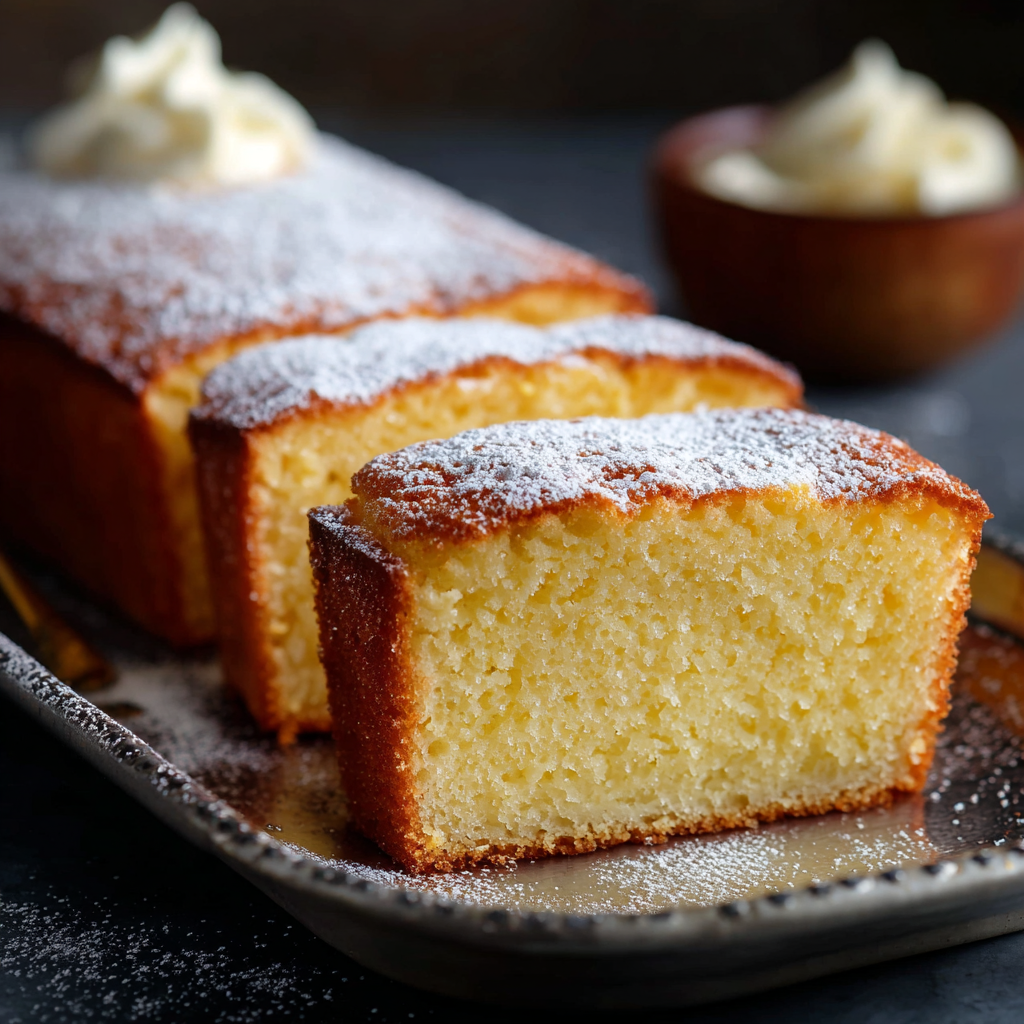
Serve slices warm with a light dusting of powdered sugar or alongside a spoonful of crème fraîche for tang. Fresh berries and a simple berry compote pair beautifully in summer, while poached pears or spiced compote are lovely in cooler months. For an afternoon treat, a thin slice with a cup of tea or coffee is ideal. For a small celebration, top with lightly whipped cream and toasted sliced almonds for texture contrast.
Cultural Background
This cake draws inspiration from classic French home baking where butter and eggs are celebrated for their ability to create tender, richly flavored cakes without elaborate decoration. It sits between a simple pound cake and a lighter genoise, leaning on technique (creaming and careful folding) rather than complex ingredients. Such cakes have a long tradition in French kitchens, often served at teatime or as an understated finish to a family meal.
Seasonal Adaptations
Spring and summer welcome a lemon or orange zest addition — 1 teaspoon grated zest folded into the batter brightens the profile. In autumn, fold in 1/2 teaspoon ground cinnamon and serve with warm apple compote. For winter holidays, replace 2 tablespoons of flour with finely ground almond meal and add 1/2 teaspoon almond extract for a festive almond-butter variation.
Meal Prep Tips
Make the batter the morning of a gathering and keep it in the refrigerator for 30 minutes while the pan comes to room temperature; the batter will relax and still bake evenly. For grab-and-go breakfasts, slice and freeze individual portions. Pack slices between parchment in reusable containers and warm briefly in the toaster oven for a quick treat. Label and date packages in the freezer so you can rotate through older portions first.
Success Stories
Readers often tell me this cake is the first thing they bake successfully after a long hiatus. One neighbor brought it to a new parents’ coffee morning and reported at least three people asked for the recipe. A small victory like this — a simple cake that comforts and connects — is why I keep returning to it. The most memorable moment was sharing a warm slice after a late autumn walk; everyone paused, savoring the buttery crumb and quiet sweetness.
Whether you keep it unadorned or dress it up for company, this cake rewards careful technique and good ingredients. I encourage you to make it your own: try a different extract, add a citrus twist, or serve with seasonal fruit. Enjoy the process as much as the result — there’s something wonderfully humble and satisfying about a perfect slice of butter cake.
Pro Tips
Always use room-temperature butter and eggs; they blend more smoothly and trap air when creamed.
Measure flour by spooning into the cup and leveling off to avoid a dense crumb.
Beat butter and sugar until pale and airy — this step creates the delicate texture.
Do not overmix after adding flour; stop when no streaks remain to keep the cake tender.
Let the cake cool completely before slicing for clean, neat pieces.
This nourishing classic french butter cake recipe is sure to be a staple in your kitchen. Enjoy every moist, high protein slice — it is perfect for breakfast or as a wholesome snack any time.
Tags
Classic French Butter Cake
This Classic French Butter Cake recipe makes perfectly juicy, tender, and flavorful steak every time! Serve with potatoes and a side salad for an unforgettable dinner in under 30 minutes.
Ingredients
Main
Instructions
Prep the oven and pan
Preheat oven to 350°F (175°C). Grease a 9-inch cake pan and line the bottom with parchment paper. Set the oven rack in the center for even baking.
Cream butter and sugar
In a stand mixer fitted with the paddle or with a hand mixer, beat softened butter and sugar on medium speed for 3–5 minutes until pale and aerated.
Add eggs
With the mixer on low, add eggs one at a time, beating 20–30 seconds after each addition to maintain an emulsion; scrape the bowl as needed.
Add vanilla and combine dry ingredients
Stir in vanilla. In a separate bowl whisk flour, baking powder and salt to combine and aerate the flour.
Combine wet and dry
Add the dry mix to the batter in two additions on low speed, mixing just until combined to avoid developing gluten.
Finish with milk and bake
Fold in milk or cream until smooth, pour into prepared pan, and bake 40–50 minutes until golden and a toothpick comes out clean or with a few moist crumbs.
Cool and serve
Cool in the pan 10–15 minutes, invert onto a wire rack, remove parchment, and cool completely before slicing. Dust with powdered sugar if desired.
Last Step: Please leave a rating and comment letting us know how you liked this recipe! This helps our business to thrive and continue providing free, high-quality recipes for you.
Nutrition
Did You Make This?
Leave a comment & rating below or tag
@snapyrecipe on social media!
Categories:
You might also like...
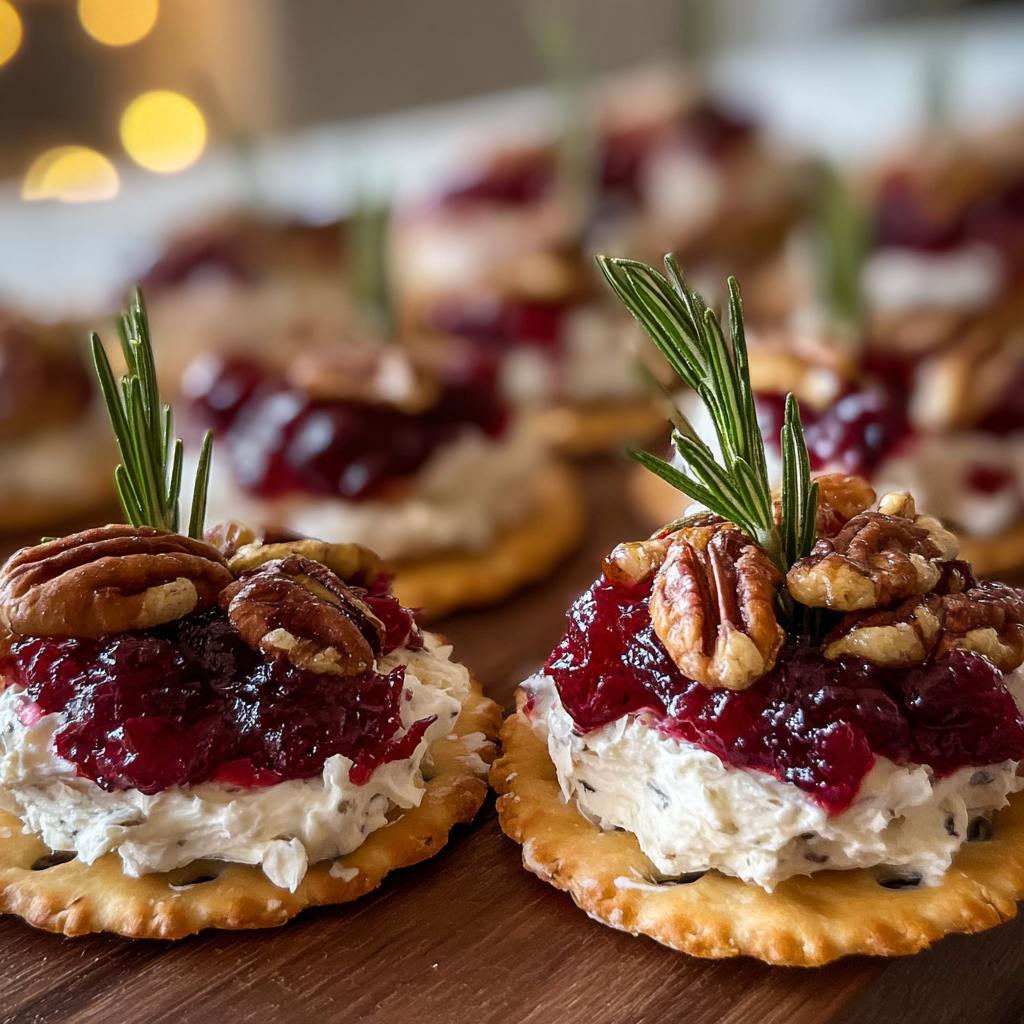
5-Minute Thanksgiving Appetizers That Wow Every Guest
A fast, elegant bite for Thanksgiving: creamy cheese, bright cranberry, crunchy pecans and rosemary on crackers or baguette — ready in five minutes and loved by all.

Air Fryer Bang Bang Chicken Skewers
Crispy air-fried chicken skewers tossed in a creamy, sweet-spicy bang bang sauce — a quick, crowd-pleasing weeknight favorite.

Air Fryer Honey Butter Garlic Chicken Tenders
Crispy air-fried chicken tenders coated in a sticky honey-butter garlic glaze — quick, family-friendly, and ready in about 25 minutes.
Did You Make This?
Leave a comment & rating below or tag @snapyrecipe on social media!
Rate This Recipe
Share This Recipe
Enjoyed this recipe? Share it with friends and family, and don't forget to leave a review!
Comments (1)
This recipe looks amazing! Can't wait to try it.
Comments are stored locally in your browser. Server comments are displayed alongside your local comments.
Hi, I'm Natalia!
What's Popular

Get My 30-Minute Meals email series!
Quick and easy dinner ideas delivered to your inbox.